


Nearly 100 million Americans skip the dentist every year, according to the American Dental Association, often because nothing hurts yet. That single fact says a lot about how most people think about their teeth. Pain becomes the signal to finally book an appointment, when in reality the mouth usually sends much quieter warnings long before that point ever arrives. A dental cleaning in Birmingham is built around catching those quiet warnings, pairing a hands-on hygienist's cleaning with a close look at everything else going on in your mouth. The hygienist handles the plaque and tartar that brushing alone cannot touch, while the rest of the visit is really about spotting trouble before it has a chance to grow into something bigger. Dr. John Haywood, who opened Haywood Family and Cosmetic Dentistry after earning his dental degree from the UAB School of Dentistry in 2019, built the practice around that exact philosophy: treat the small stuff while it is still small, rather than waiting until it becomes unavoidable.

The Appointment Most Patients Misunderstand
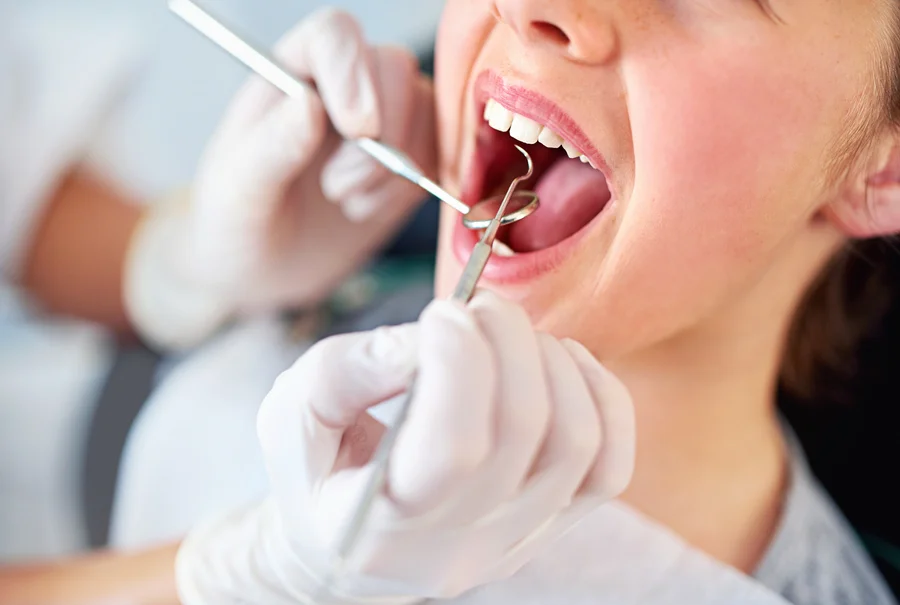
Most people picture a cleaning as thirty minutes of scraping and polishing, then a quick goodbye. In practice, a visit almost always pairs that hygienist's cleaning with a comprehensive dental exam, and the two together tell a very different story than either one alone would on its own. While plaque and tartar come off the teeth, the dentist is working through a separate checklist entirely, looking for issues that have not yet produced any symptoms.
Two Jobs Happening at Once
Skipping a cleaning does not just mean skipping a polish. It means skipping the exam that usually accompanies it, where most early findings actually turn up in the first place. One job keeps teeth physically clean; the other keeps a running record of how the mouth is changing over time, visit to visit, so small shifts do not go unnoticed.
Why Six Months Beats "Whenever It Hurts"
Dental problems rarely stay the same size while you wait them out. A cavity caught early might need nothing more than a small filling, while that same cavity left alone for a year or two can deepen enough to require a root canal or a crown instead. Gum disease follows a similar pattern, and so do cracked teeth and loose, aging fillings that have gone unnoticed. Treating any of these while they are still minor is almost always faster and less expensive than waiting until a problem announces itself on its own. That is the real argument for sticking to a routine dental cleaning in Birmingham on a six-month schedule rather than an as-needed one.
What a Single Visit Typically Checks
A standard visit typically looks for:
- Cavities and weakened enamel
- Early signs of gum disease
- Worn or failing fillings and crowns
- Unusual lumps, sores, or color changes in the mouth
- Bite or jaw alignment issues
What Shows Up Before It Ever Hurts
Cavities and Weak Spots, Long Before They Hurt
Tooth decay rarely announces itself early on. A small cavity can sit quietly for months, growing only slightly between visits, until it finally reaches a nerve and starts to hurt without warning. During a cleaning and exam, digital X-ray imaging lets the dentist see decay between teeth and beneath old fillings long before it becomes a bigger, more expensive repair. According to CDC surveillance data, roughly one in four adults between the ages of 20 and 64 currently has at least one untreated cavity, underscoring how often decay goes unnoticed until it is already well established.
Gum Changes That Are Still Reversible
Gum disease often starts with nothing more than a little bleeding when you floss, which is easy enough to write off as nothing serious. A periodontal care check during a routine visit, including measuring the small pockets around each tooth, is how a dental team catches the condition while it is still reversible, rather than after it has already damaged the bone beneath the gums. Left unchecked, that same inflammation can eventually loosen teeth that were otherwise perfectly healthy and structurally sound.
Checks That Have Nothing to Do With Teeth at All
Not everything a dental cleaning in Birmingham uncovers is about the teeth themselves. An oral cancer screening is typically part of the same visit, and it takes only a couple of minutes to check the lips, tongue, cheeks, and throat for anything unusual. That matters more than it might seem at first glance. According to the National Institute of Dental and Craniofacial Research, oral cancer caught at an early, localized stage has close to an 88% five-year survival rate, compared with roughly 69.5% across all stages combined. That gap alone is the argument for never skipping the screening portion of a visit.
Prevention Tools That Extend the Visit's Value
A cleaning does more than reset the clock until the next cavity shows up. Fluoride treatments, for example, are often recommended for patients with a history of decay, dry mouth, or sensitive teeth, since the mineral helps remineralize enamel between visits rather than simply protecting it on the day of the appointment itself. Pairing that kind of preventive step with a routine cleaning visit turns a single appointment into protection that carries forward for months afterward.
Small Habits That Make the Next Visit Easier
What happens between visits matters just as much as the visit itself. Brushing twice daily, flossing before bed, and limiting sugary snacks all reduce how much plaque builds up before the next cleaning, which in turn makes each visit faster and more comfortable. Patients who keep up these habits often notice their hygienist spends less time on heavy plaque removal and more time simply checking in on how things are going.
Common Questions About Dental Cleanings in Birmingham
How long does a typical cleaning and exam take?
Most appointments run about an hour from start to finish, covering both the hygienist's cleaning and the dentist's exam in the same visit, including any X-rays that are due.
Does a cleaning hurt if it has been a while since the last one?
Some mild sensitivity may occur if plaque and tartar have accumulated more than usual, but the process itself is not meant to be painful, and the team will adjust their approach as needed for comfort.
How often should adults schedule a cleaning?
Most patients do well on a six-month schedule, though some with a history of gum disease or frequent cavities may be advised to come in more often for closer monitoring.
Will insurance usually cover a routine cleaning?
Most dental insurance plans cover two preventive cleanings a year at little to no out-of-pocket cost, though coverage details can vary widely from plan to plan.

Schedule Your Next Dental Cleaning in Birmingham
Catching a problem early almost always means a simpler, less expensive fix than catching it late, and that is the real value routine preventive visits offer every patient who keeps up with them. If it has been a while since your last visit, Haywood Family and Cosmetic Dentistry can get you back on a schedule that keeps small issues small, with Dr. Haywood and his team taking the time to explain what they find along the way. Contact us today to book a dental cleaning in Birmingham and find out what your next exam might reveal.


