
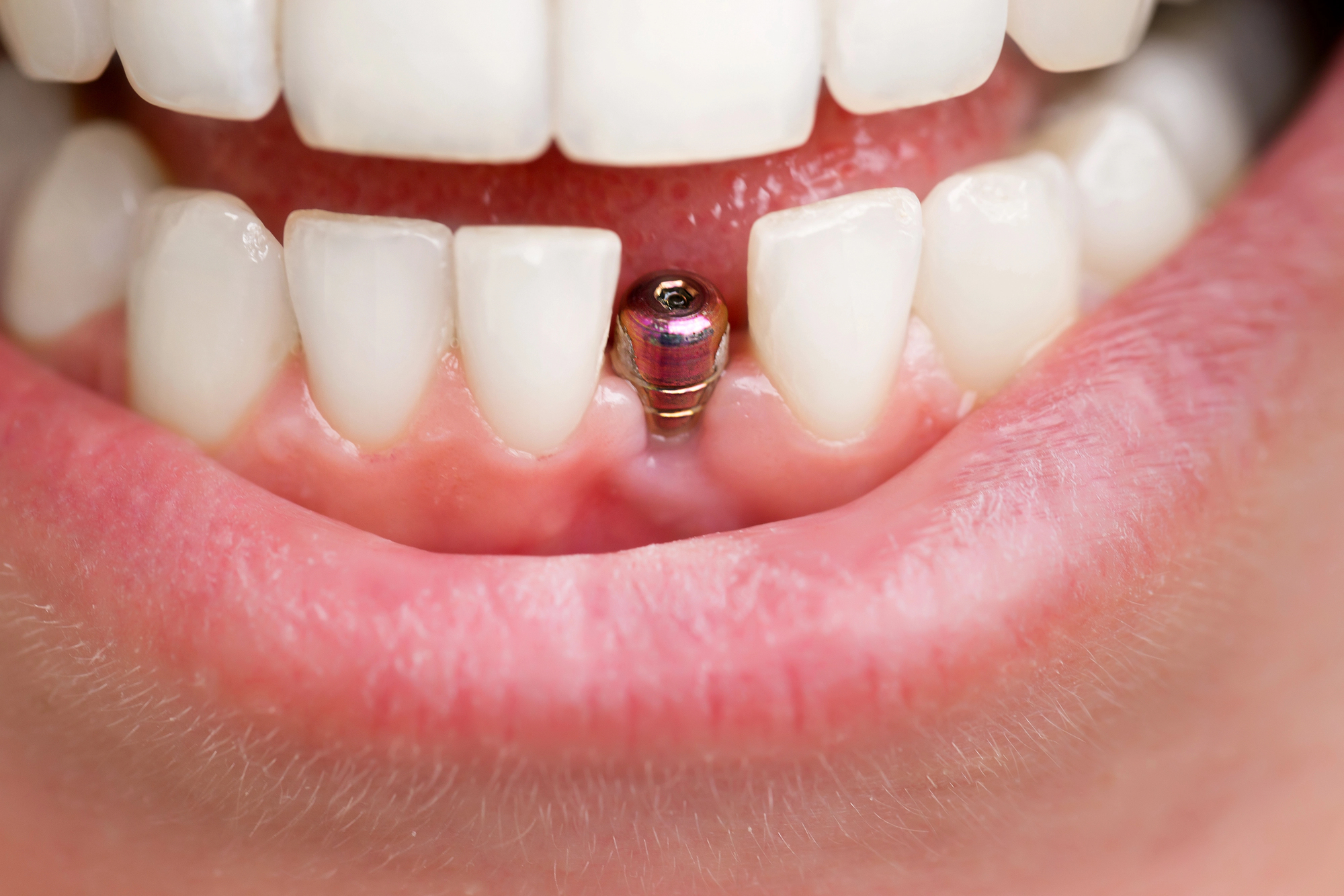
Patients researching dental implants in Birmingham, AL, are often exploring ways to restore damaged or missing teeth and protect their long-term oral health. In some situations, a dental crown may be the ideal solution for preserving a natural tooth before replacement becomes necessary.
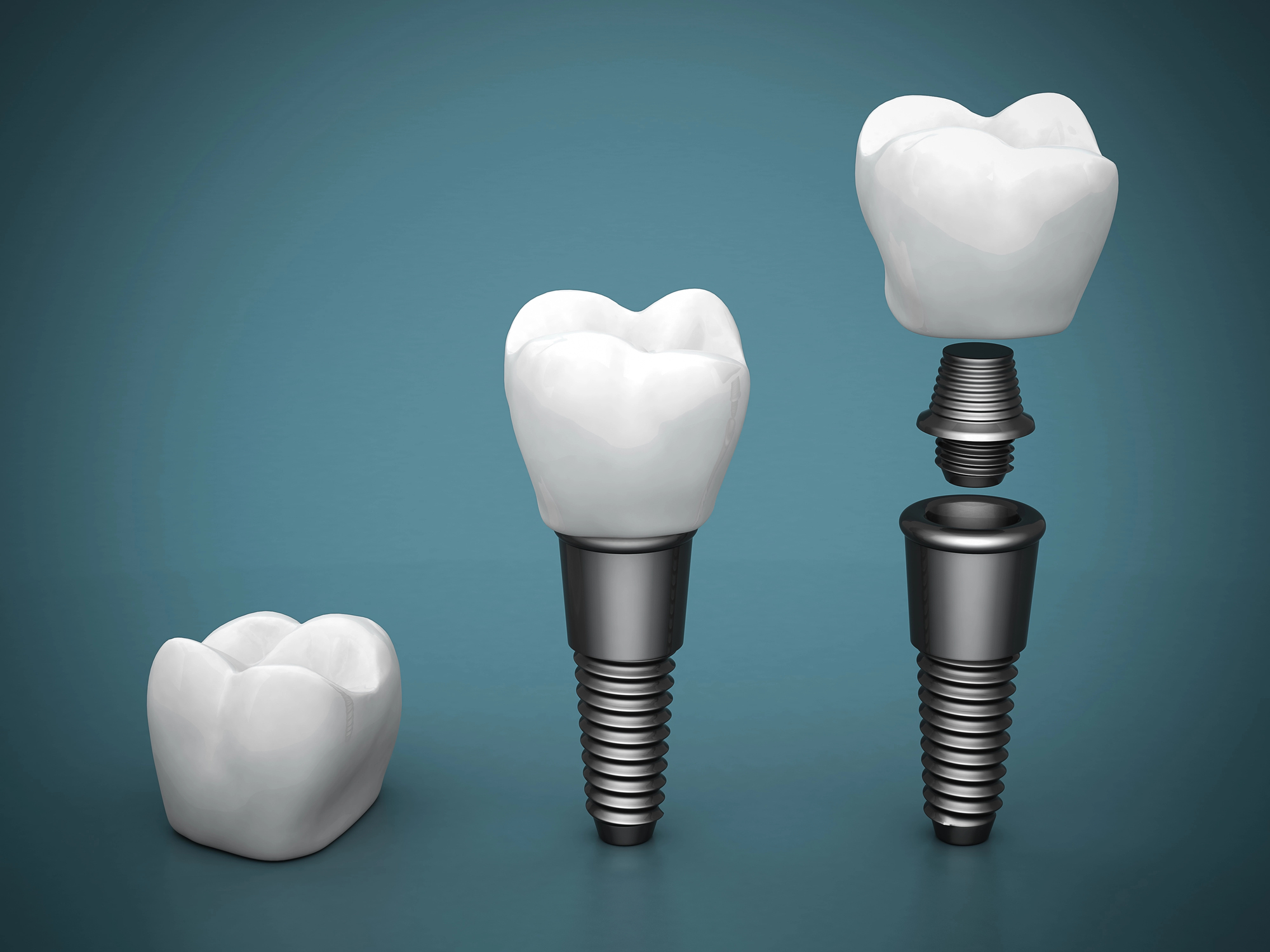
A dental crown covers and protects a weakened tooth while restoring its shape, strength, and appearance. Knowing when a crown may be recommended can help you seek treatment early and avoid more complex dental concerns in the future.
Common Signs That You May Need a Dental Crown
A Large Filling Is No Longer Providing Enough Support
Fillings work well for many cavities. When decay affects a significant portion of the tooth, there may not be enough healthy structure remaining to support another filling.
A dental crown surrounds the tooth and provides additional reinforcement, helping reduce the risk of fractures or further damage.
Your Tooth Is Cracked or Broken
A cracked or chipped tooth may cause discomfort while chewing or sensitivity to hot and cold temperatures. Even small cracks can become larger over time if left untreated.
Dental crowns help hold weakened teeth together and protect them from additional stress during everyday activities like eating and speaking.
You Recently Had Root Canal Treatment
After a root canal procedure, the treated tooth often becomes more fragile because some of its internal structure has been removed. While root canal therapy is highly effective at eliminating infection and saving a damaged tooth, it can leave the remaining tooth structure weaker than it was before. This is especially true for molars and premolars, which handle most of the pressure from chewing and grinding food every day.
Without additional protection, a tooth that has undergone root canal treatment may be more likely to crack, chip, or break over time. In some cases, a fracture can become severe enough that the tooth cannot be saved, potentially leading to extraction and the need for replacement options.
For this reason, many dentists recommend placing a dental crown after root canal therapy. A crown acts like a protective cap that covers the entire visible portion of the tooth, helping to restore its strength, function, and appearance. It allows you to bite and chew with confidence while reducing the risk of future damage.
Dental crowns are custom-made to blend naturally with your smile and are designed to withstand daily wear and tear. By adding this extra layer of protection, a crown can significantly improve the long-term durability of a tooth that has received root canal treatment and help preserve your oral health for years to come.
Ongoing Sensitivity May Signal Underlying Damage
Occasional sensitivity is common, especially when consuming hot, cold, sweet, or acidic foods and beverages. In many cases, this discomfort is temporary and does not indicate a serious issue. However, if the sensitivity becomes frequent, lasts longer than expected, or worsens over time, it may be a sign of an underlying dental problem that should not be ignored.
Persistent discomfort can indicate enamel wear, a hidden crack, tooth decay, or structural weakness that leaves the tooth vulnerable to further damage. In some situations, the symptoms may seem mild even though the tooth has already lost a significant amount of its protective structure.
A comprehensive dental examination can help identify the source of the problem and determine the most appropriate treatment. Your dentist may recommend X-rays or other diagnostic tools to evaluate the tooth's condition more closely.
If the tooth is weakened but still healthy enough to be preserved, a dental crown may provide the protection and support it needs to prevent additional damage and restore long-term function.
Signs Your Teeth May Need Extra Protection
If your teeth have experienced years of wear and tear, a dental crown may help restore strength and function. You may benefit from additional protection if you notice:
- Frequent grinding or clenching habits
- Teeth that appear shorter or flatter than before
- Increased sensitivity to hot or cold foods and drinks
- Difficulty chewing certain foods comfortably
- Changes in your bite or how your teeth fit together
- Uneven wear on the edges of your teeth
- Small chips or cracks caused by daily use
- Concerns about preserving weakened teeth long-term
A dental crown can help reinforce worn teeth, restore their natural shape, and protect them from further damage.
Crowns Can Improve Both Strength and Appearance
Some teeth exhibit cosmetic concerns in addition to structural damage. Severe discoloration, irregular shapes, or injuries may affect confidence in your smile.
A dental crown restores strength while improving the appearance of the tooth at the same time.
Early Treatment Helps Preserve Natural Teeth
Addressing damage early often prevents larger problems later. Delaying treatment may allow cracks or decay to worsen, increasing the likelihood of extraction.
Preserving natural teeth remains one of the primary goals of restorative dentistry whenever possible.
Questions Patients Often Ask About Dental Crowns
Does getting a dental crown hurt?
Most patients find the dental crown procedure very comfortable. Your dentist will use local anesthesia to numb the area, so you should not feel pain during treatment. You may experience mild sensitivity or soreness once the numbness wears off, but this is usually temporary and manageable with over-the-counter pain medication if needed.
How long do dental crowns last?
With proper care and regular dental visits, many crowns last 10 to 15 years or longer. Their lifespan depends on factors such as oral hygiene habits, the crown material, and daily wear and tear. Brushing twice a day, flossing daily, and attending routine checkups can help extend the life of your crown.
Will my crown look natural?
Yes. Modern dental crowns are designed to closely match the color, shape, and size of your surrounding teeth for a natural appearance. Dentists use advanced materials and shade-matching techniques to create restorations that blend seamlessly with your smile. In many cases, other people will not be able to tell which tooth has the crown.

Protect Your Smile with Solutions Beyond Dental Implants in Birmingham, AL
While many patients searching for dental implants in Birmingham, AL, may ultimately benefit from tooth replacement solutions, preserving healthy natural teeth whenever possible is often the preferred approach. Dental crowns play an important role in protecting damaged teeth and extending their lifespan.
At Haywood Family and Cosmetic Dentistry, we are committed to helping patients find the right treatment for their unique needs. Whether you need a dental crown or want to learn more about your restorative options, we invite you to schedule an appointment with us today.


